
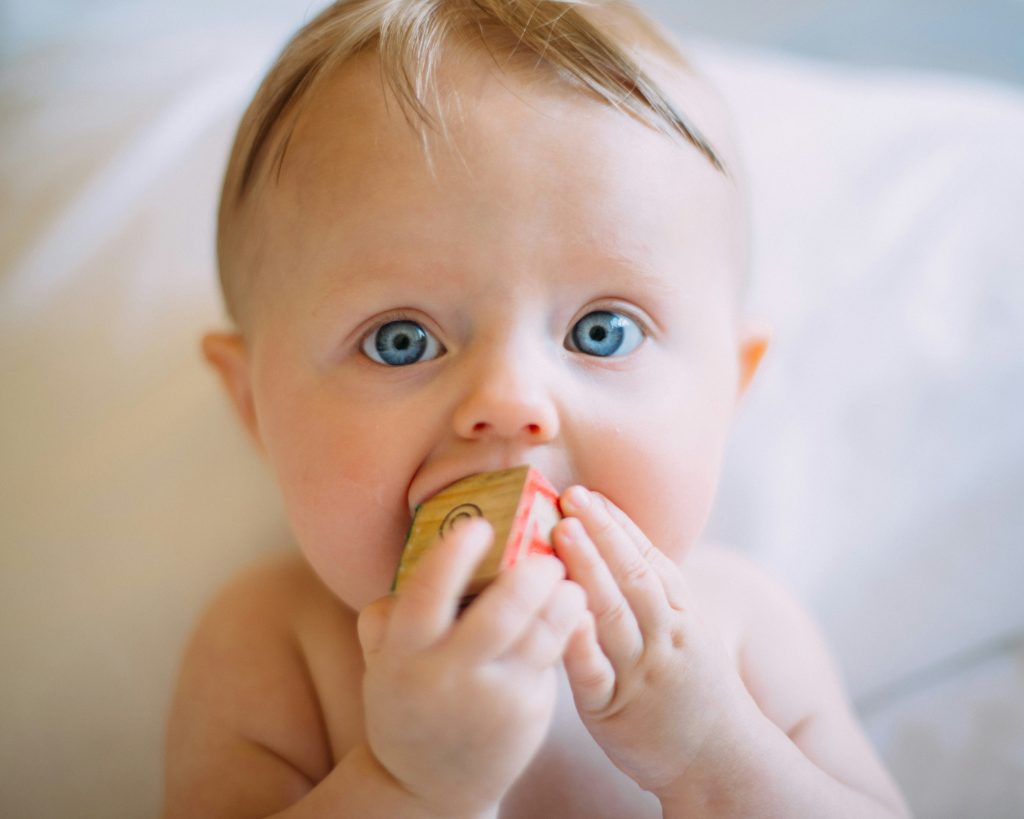
Noticing yellow spots on tooth can be worrying for any parent, especially when it appears on your baby’s very first teeth. These small patches or discolourations are more common than you might think and usually point to minor enamel or hygiene issues rather than serious decay. However, early detection and gentle care can make a big difference in protecting your child’s developing smile. Factors like diet, milk residue, medications, or even natural enamel defects can all contribute to yellow discolouration. By understanding what causes these spots and learning safe, effective ways to manage them, you can help ensure strong, healthy baby teeth from the start. In this guide, we’ll explore the main reasons yellow spots on tooth appear, how to manage them at home, and how to prevent them from affecting your child’s long-term oral health.
What Does a Yellow Spot on Tooth Mean in Infants?
When you first notice yellow spots on tooth in your infant’s mouth, it’s natural to feel concerned. These discolourations can appear as light yellow patches, streaks, or uneven shading on your baby’s enamel. In most cases, they are harmless and temporary, but sometimes they can signal early enamel weakening or mild dental decay. Understanding what these spots mean can help you take the right steps to protect your child’s oral health and prevent long-term damage.
Why Yellow Spots on Tooth Appear Early
The first appearance of yellow spots on tooth often coincides with your baby’s infant first tooth. This stage marks a transition when enamel development and exposure to new foods begin. The enamel in baby teeth is thinner and more porous than in adult teeth, which makes it more prone to staining and mild mineral imbalance. If these yellow marks are noticed soon after tooth eruption, they may simply indicate trapped milk residue or early enamel maturation rather than decay.
Possible Medical or Environmental Causes
Sometimes, yellow or discoloured enamel reflects minor disturbances during tooth formation. Conditions such as mild fluorosis (too much fluoride), iron supplementation, or even certain antibiotics taken by the mother during pregnancy can influence tooth colour. In other cases, these yellow spots on infant tooth may result from early exposure to sugary drinks, formula residue, or plaque buildup. Regular cleaning using soft, damp gauze after feeding helps remove surface stains before they harden into plaque.
When Yellow Spots on Tooth Indicate Enamel Defects
Occasionally, a yellow spot on tooth could suggest an underlying enamel defect known as enamel hypoplasia. This occurs when the enamel layer fails to form properly, leaving certain areas more porous and discoloured. According to the American Academy of Pediatric Dentistry, such enamel irregularities are not uncommon in premature babies or those who experienced fever or malnutrition during infancy. If the spots feel rough or appear darker over time, it’s best to consult a paediatric dentist.
How to Tell If a Baby’s Tooth Is Infected
While most yellow spots on tooth are harmless, infection signs should never be ignored. Look for symptoms such as swelling in the gums, tenderness when your baby chews, or brownish-yellow discolouration that darkens gradually. If your child appears fussy during feeding or you see white patches near the gum line, these may indicate early decay or bacterial buildup. In Singapore, paediatric dentists often recommend early evaluation to prevent cavities from spreading to nearby teeth.
Can Yellow Spots on Tooth Go Away Naturally?
In many cases, yellow spots on tooth can fade naturally with gentle cleaning and improved infant tooth care practices. Enamel re-mineralisation, a natural process where calcium and phosphate restore tooth strength, can help reduce minor discolouration. Using fluoride-free baby toothpaste and soft brushing techniques can assist this healing process safely. However, if the yellowing deepens or new spots appear, it’s time for professional advice.
Common Causes and Their Meanings
| Possible Cause | Description | What It Means |
|---|---|---|
| Milk residue or plaque | Leftover milk sugars cling to enamel | Usually temporary; clean gently after feeding |
| Fluorosis | Too much fluoride exposure | May cause mild yellow or white mottling |
| Enamel hypoplasia | Incomplete enamel formation | Requires monitoring by a dentist |
| Medication side effects | Iron drops or antibiotics during pregnancy | May cause surface staining, not decay |
| Early bacterial infection | Visible discolouration and swelling | Needs prompt dental care |
In summary, yellow spots on tooth can range from harmless surface stains to early signs of enamel weakness. Observing their texture, colour intensity, and your baby’s comfort can help you determine whether they’re natural or need professional attention. With consistent cleaning, cautious feeding habits, and early infant tooth care, you can ensure your baby’s teeth stay bright and healthy from their very first smile.
5 Common Reasons Infants Develop Yellow Spots on Tooth
When yellow spots on tooth appear on your baby’s smile, it often raises concern for parents who are unsure if these stains are harmless or a sign of something serious. The truth is, several everyday factors can lead to this mild discolouration — from feeding habits and medication to early enamel development. Because infant enamel is thinner and more porous than adult enamel, it easily absorbs pigments and reacts to minerals in milk, formula, and even the water used during cleaning. Understanding why yellow spots occur helps you take the right preventive steps before they turn into cavities or permanent enamel issues. Below are five common causes of yellow spots on tooth in infants and practical ways to manage each one.
1. Enamel Hypoplasia or Weak Enamel Formation
One of the most frequent medical causes of yellow spots on tooth is enamel hypoplasia. This occurs when the outer enamel layer fails to form properly before the tooth erupts. In infants, this condition can happen due to nutritional deficiencies, high fever during pregnancy, or premature birth. When enamel is thin or uneven, the yellow dentin layer beneath becomes more visible, making the tooth appear discoloured even if it is healthy.
For parents, the first sign is usually a small, flat yellow patch that doesn’t scrape off during cleaning. Unlike stains from food or milk, hypoplastic enamel often feels slightly rough to the touch. This makes it more vulnerable to plaque accumulation, which can worsen the colour over time. Your dentist may recommend a mild fluoride varnish or a calcium-phosphate gel to help strengthen weak enamel. Early diagnosis is key, as this condition can affect the future alignment and strength of your child’s permanent teeth.
In Singapore, paediatric dentists often advise expecting mothers to maintain a balanced diet rich in calcium, vitamin D, and magnesium. These nutrients play an important role in forming strong tooth enamel during the foetal stage. For babies already showing early enamel weakness, consistent cleaning and avoiding sugary snacks can reduce bacterial growth and protect fragile surfaces.
2. Plaque and Milk Residue Build-Up
Plaque build-up is another extremely common reason for yellow spots on tooth in infants. When milk, formula, or breast milk residue stays on the gums or teeth, bacteria feed on natural sugars and release acids that soften enamel. Over time, this creates visible yellow or pale brown film along the gumline. Many parents overlook this because infant teeth appear small and smooth, but even a thin coating can quickly turn sticky when not cleaned regularly.
Proper cleaning begins even before the first tooth appears. After every feeding, use a damp, soft cloth to gently wipe your baby’s gums. Once teeth erupt, switch to a silicone finger brush or an infant toothbrush with soft bristles. Avoid using toothpaste at this stage, plain water or a small amount of fluoride-free gel is enough. If you notice persistent yellowish marks, it may be early demineralisation rather than stains, meaning the enamel is losing minerals due to acid exposure.
Parents often ask how to remove yellow plaque from baby’s teeth safely. The best method is prevention, frequent cleaning, reduced night feeding, and ensuring your baby drinks water after meals. Regular dental check-ups from the age of one are also strongly encouraged by the Singapore Dental Association, as paediatric dentists can detect and remove early plaque before it hardens into tartar.
3. Iron Supplements or Medication Stains
Iron supplements, while important for preventing anaemia in babies, are one of the most common causes of temporary yellow spots on tooth. The same applies to certain antibiotics that contain compounds capable of binding to enamel minerals. When these substances mix with saliva, they can oxidise slightly, creating a faint film that results in yellow stains on baby teeth. Although these discolourations can look worrying, they are typically superficial and do not signal decay or enamel loss, which distinguishes them from more serious dental issues like infection or structural enamel weakness.
Cleaning immediately after giving medicine is one of the most effective infant tooth care habits. Use a soft baby toothbrush or a clean cloth with water to gently wipe your child’s teeth and gums. Avoid whitening toothpaste or abrasive powders — they may scratch delicate enamel and make yellow spots on tooth more visible. For iron supplements, many paediatric dentists in Singapore recommend using a dropper or syringe placed toward the back of the tongue to minimise contact with teeth and prevent stains from forming in the first place.
If stains persist, professional cleaning can help. A dentist can use gentle polishing methods designed for infant first tooth care to restore the tooth’s natural colour safely. In many cases, yellow spots on tooth caused by medicine fade with time as the enamel matures and regular brushing continues.
Parents sometimes mistake medication-related stains for enamel defects or infection. The key difference lies in texture and timing — stains are smooth and often appear soon after supplement use, while enamel issues feel rough and develop gradually. Maintaining a record of your baby’s medications helps your dentist determine whether the yellow spots on tooth are linked to treatment, diet, or natural enamel variation. With proper monitoring, mild stains rarely affect long-term dental health and can be managed through consistent cleaning and professional guidance.
4. Early Childhood Fluorosis
Fluoride is essential for healthy teeth, but too much of it can cause a condition called fluorosis, which is a frequent cause of yellow spots on tooth during early childhood. Fluorosis happens when excessive fluoride is consumed while the enamel is still developing. It can result from swallowing large amounts of fluoridated toothpaste, drinking water with high fluoride content, or overuse of fluoride supplements. The result is a mottled appearance of the enamel, showing faint yellow, cream, or white streaks. In most cases, this condition is purely cosmetic and does not affect the tooth’s strength, but severe cases may create permanent discolouration.
In Singapore, public water already contains an optimal fluoride level to protect teeth, so additional supplements are rarely necessary. Parents should supervise brushing to make sure children use only a pea-sized amount of toothpaste and do not swallow it. Paediatric dentists may also recommend fluoride varnishes at the clinic, as these treatments are carefully measured to strengthen enamel without overexposure. For parents who notice uneven colouring or dull spots on their child’s teeth, professional polishing can help restore a more natural appearance while monitoring for long-term enamel health.
Fluorosis also tends to highlight other underlying enamel issues. If a baby’s enamel is already thin, the yellow hue may appear deeper due to light reflecting differently through the enamel surface. Thus, maintaining a balanced fluoride intake remains one of the most important aspects of infant tooth care, ensuring enamel strength while avoiding unwanted discolouration.
5. Diet and Early Exposure to Coloured Foods
As infants begin eating pureed foods, their developing enamel can easily absorb pigments from natural ingredients like pumpkin, carrots, spinach, or berries. These foods, while healthy, may leave temporary yellow stains if not cleaned away promptly. Similarly, iron-fortified cereals or formula can add a dull tint to the surface of new teeth. Fortunately, these yellow spots on tooth are usually surface-level and fade with consistent cleaning and hydration. Offering water after every meal and wiping your baby’s teeth gently helps neutralise food acids and remove residues before staining sets in.
For parents introducing solid foods, it is best to focus on a balanced diet rich in calcium, phosphorus, and vitamin D, as these minerals strengthen enamel and reduce the likelihood of staining. Avoid prolonged exposure to sweet juices or sticky snacks, which feed bacteria and accelerate plaque formation. Many caregivers wonder, can yellow spots on tooth go away naturally? In cases of food or mild plaque stains, the answer is yes. Regular brushing and exposure to natural saliva, which contains calcium and phosphate, can gradually remineralise enamel, helping restore its bright colour without the need for treatment.
Another common concern is how to get rid of yellow stains on baby teeth safely. The key is consistency, not harsh cleaning. Using a soft-bristled brush, cleaning twice daily, and introducing a fluoride toothpaste at the dentist’s recommended age can make a significant difference. For persistent stains, professional cleaning is safe for babies and can remove deeper pigment trapped within the enamel surface. Parents should avoid using baking soda or whitening agents, as these can scratch delicate enamel and make the discolouration worse.
Summary of Causes and Recommended Actions
| Cause | Appearance | Prevention or Care Tips |
|---|---|---|
| Enamel hypoplasia | Yellow or rough spots on newly erupted teeth | Ensure balanced prenatal nutrition, seek dentist evaluation for enamel support |
| Milk and plaque residue | Yellowish film near the gums or between teeth | Clean gums and teeth after every feeding, reduce night feeding |
| Medication or iron staining | Smooth yellow or brown discolouration on surface | Wipe teeth after medication, use syringe to reduce enamel contact |
| Fluorosis | Pale yellow or white mottled areas | Supervise fluoride use, consult dentist before supplements |
| Dietary pigments | Light yellow tint from fruits, vegetables, or cereals | Rinse after meals, clean regularly, limit sugar exposure |
Understanding these five common causes of yellow spots on tooth helps you act early and protect your baby’s oral health. In most situations, the problem is manageable through consistent cleaning, proper diet, and attention to fluoride and medication use. The appearance of yellow stains does not always mean infection or decay — in fact, many fade naturally as enamel matures and mineralises. However, it is best to schedule your child’s first dental visit by age one, as early guidance from a paediatric dentist can prevent discolouration from becoming a long-term issue. With patience and daily care, your child’s smile will grow brighter and healthier every day.
Safe Home Care Tips to Manage Yellow Spots on Tooth
When yellow spots on tooth appear on your baby’s new teeth, you can manage most cases safely at home with gentle and consistent habits. The goal of infant tooth care is not to scrub stains away, but to prevent pigments, plaque, and milk residue from staying long enough to cause discolouration. Below are simple dentist-approved ways to protect enamel and gradually restore your child’s natural smile, answering common questions like How to get rid of yellow stains on baby teeth?
Clean Gently After Every Feeding
Begin wiping your baby’s gums even before the first tooth appears. Once teeth erupt, use a soft baby toothbrush or silicone finger brush with plain water. Avoid toothpaste until your dentist advises, as overuse may cause mild fluorosis. Wipe or brush after every meal to prevent bacteria from feeding on milk sugars that can deepen yellow marks. Consistency is more effective than force — daily cleaning helps stains fade naturally.
Offer Water After Meals
Let your child sip a little water after eating or drinking milk. Water neutralises acid, washes away pigments, and keeps saliva active, which helps rebuild enamel minerals. Avoid juice bottles or sweet drinks before bed, since sugar fuels plaque formation overnight. This small habit makes a noticeable difference in controlling yellow spots on tooth over time.
Watch What and How Often They Eat
Brightly coloured purees such as carrots, pumpkins, and berries can sometimes leave yellow spots on tooth, especially when residue remains on the enamel for too long. These stains are usually temporary and can be reduced with gentle cleaning. Keep these nutritious foods in your baby’s diet, but pair them with a small drink of water and proper brushing afterward to help prevent yellow stains on baby teeth from forming.
Avoid frequent snacking between meals, as it keeps acid levels high and enamel soft, making yellow spots on tooth more likely to appear. Instead, create structured meal times and encourage calcium-rich foods such as yogurt, cheese, and leafy greens once your baby is ready. These foods help strengthen enamel and protect against early staining.
With consistent infant tooth care and healthy eating habits, temporary food stains will fade naturally, keeping your baby’s first teeth bright, smooth, and ready for a lifetime of healthy smiles.
Be Careful with Medications
Iron drops and liquid antibiotics can sometimes leave yellow spots on tooth, creating a light yellowish film that may worry parents. After giving medicine, wipe your baby’s mouth with a clean, damp cloth or offer a small sip of water to rinse away residue before it sets. This simple step helps reduce the chance of yellow stains on baby teeth forming from iron or medication contact.
Never use baking soda or whitening products on baby teeth, as these can damage the thin enamel layer and make yellow spots on tooth more noticeable over time. Instead, stick to gentle infant tooth care methods, a soft brush with water or a smear of fluoride toothpaste under your dentist’s advice.
If the stains persist or seem to deepen, schedule a dental visit. A paediatric dentist can professionally polish away superficial discolouration without harming the enamel, helping your baby’s teeth regain their natural brightness while keeping them strong and healthy.
Support Enamel with Gentle Fluoride Use
Fluoride strengthens enamel and helps prevent yellow spots on tooth from recurring by making the surface more resistant to acid and bacterial attack. However, only use a rice-grain-sized amount of fluoride toothpaste once your dentist approves, especially during early infant tooth care routines. In Singapore, where fluoride levels in tap water are already balanced for public health, extra fluoride supplements are rarely necessary. Discussing the right fluoride balance with your paediatric dentist ensures protection without the risk of overexposure that could lead to mild fluorosis or uneven colouring on your baby’s teeth.
If the yellow spots on tooth do not fade after a few weeks of consistent brushing, or if they begin to feel rough, darken, or cause sensitivity, it’s time to schedule a dental check-up. Sometimes, what looks like simple staining could be an early enamel defect or bacterial buildup that requires professional cleaning. Paediatric dentists are trained to distinguish between surface stains and deeper enamel issues. They can remove minor discolouration safely and provide personalised guidance on maintaining infant tooth care at home.
Establishing a regular cleaning routine, combined with professional follow-ups, helps ensure that any yellow spots on tooth are addressed early, preserving your child’s healthy smile as permanent teeth begin to form underneath.
| Home Routine | Purpose | Recommended Frequency |
|---|---|---|
| Wipe or brush teeth | Removes milk residue and plaque film | After every feeding |
| Offer water | Neutralises acids, prevents pigment build-up | After meals and snacks |
| Monitor diet | Reduces exposure to staining foods | Daily |
| Check medications | Minimises risk of yellow staining | Whenever medicine is prescribed |
These steps are gentle yet effective. Most yellow spots on tooth fade with proper cleaning, hydration, and enamel protection. Focus on daily care rather than harsh whitening, baby teeth respond best to steady, natural maintenance. Healthy brushing habits formed now set the foundation for strong, bright adult teeth later in life.
Preventing Yellow Spots on Tooth: Habits Every Parent Should Start Early
Preventing yellow spots on tooth starts long before they appear. The enamel that forms your baby’s teeth begins developing during pregnancy, so good habits established early can protect your child’s smile for years to come. Even though baby teeth eventually fall out, they set the stage for healthy adult teeth by maintaining proper spacing, guiding jaw development, and keeping the mouth clean from harmful bacteria. Below are practical, dentist-approved ways to prevent yellow discolouration, surface stains, and early enamel weakness in infants and toddlers.
Start Oral Care Before the First Tooth Appears
Many parents think oral care begins after teething starts, but preventive routines should start earlier. Wiping your baby’s gums twice a day with a clean, damp cloth removes milk residue and bacteria that could cause stains once teeth emerge. This simple habit lowers the risk of early yellowing by keeping the oral environment balanced and healthy. Once teeth erupt, switch to a baby toothbrush with soft bristles, brushing gently twice daily using water only until your dentist recommends toothpaste. Early cleaning builds familiarity, so brushing becomes natural instead of stressful later on.
Control Sugar Exposure and Frequency
One of the main contributors to yellow spots on tooth is frequent sugar exposure. Each time your baby consumes milk, juice, or sweetened snacks, oral bacteria feed on the sugars, releasing acids that soften enamel and attract pigments. Instead of frequent sips throughout the day, keep feeding times structured. Offer plain water between meals to neutralise acids and rinse away residues. Avoid giving bottles or sippy cups filled with juice at bedtime since the prolonged contact can stain teeth and weaken enamel overnight. These small changes protect developing enamel and prevent early childhood tooth decay.
Choose a Balanced Diet for Strong Enamel
Nutrition plays a big role in enamel formation. A diet rich in calcium, phosphorus, and vitamin D helps teeth mineralise properly and remain resistant to yellow spots on tooth. Offer dairy products, leafy greens, and age-appropriate proteins to build strong enamel. Once your baby starts solids, avoid relying on processed snacks or sticky foods that cling to the teeth. Remember, enamel defects make teeth more likely to trap pigments, which explains why preventing weakness early is just as important as cleaning away visible yellow spots on tooth.
Fluoride: Use with Care and Guidance
Fluoride is a mineral that strengthens enamel and helps protect against discolouration and decay. However, overuse can lead to mild fluorosis, where faint white or yellow spots on tooth appear on baby teeth. In Singapore, where public water contains fluoride at safe levels, additional supplements are generally unnecessary unless prescribed by a dentist. For infants, use only a rice-sized smear of fluoride toothpaste once the first tooth appears, brushing twice daily under supervision. Check your local water fluoride level and consult your dentist to find the right balance that prevents yellow spots on tooth without overexposure.
Regular Dental Visits from Age One
Early dental check-ups are one of the most effective ways to prevent yellow spots on tooth from becoming permanent. The American Academy of Pediatric Dentistry recommends the first dental visit by age one or within six months after the first tooth erupts. These early visits help dentists spot enamel defects, advise on diet and fluoride use, and show parents correct brushing techniques. In Singapore, many clinics offer gentle, child-friendly dental care programs for toddlers, focusing on prevention rather than treatment. Regular visits also help your child grow comfortable in the dental chair, reducing anxiety in the future.
Model and Reinforce Good Habits at Home
Children often copy what they see. Brushing together as a family shows your toddler that oral care is part of daily life. Make brushing time engaging with songs or visual cues, and encourage spitting instead of swallowing once toothpaste is introduced. Avoid harsh comments about stains; instead, celebrate progress and cleanliness. Positive reinforcement builds lifelong oral care habits and prevents future problems like yellowing or enamel erosion.
Quick Prevention Guide for Parents
| Habit | Why It Helps | When to Start |
|---|---|---|
| Clean gums and teeth daily | Removes bacteria and residue that cause stains | Before first tooth eruption |
| Offer water after meals | Reduces acid and prevents pigment build-up | Once solids are introduced |
| Limit sugary snacks and drinks | Prevents enamel weakening and discolouration | During weaning |
| Use fluoride responsibly | Strengthens enamel, reduces yellowing | When first tooth appears |
| Schedule early dental visits | Allows early detection and preventive advice | By age one |
Healthy routines built early in life are the best defence against yellow spots on tooth. With consistent cleaning, balanced nutrition, mindful fluoride use, and regular dental check-ups, your child can grow up with bright, strong teeth and a confident smile. Prevention is always easier than correction — and these daily habits are the foundation for a lifetime of healthy oral hygiene.
The Link Between Infant Teeth Health and Future Permanent Teeth
Many parents underestimate the importance of baby teeth, but the truth is that the health of your infant’s mouth sets the foundation for lifelong oral wellness. Issues such as yellow spots on tooth or enamel weakness during infancy can have lasting effects on how adult teeth form and emerge. Proper infant tooth care not only protects your baby’s first smile but also helps prevent future dental complications like discolouration, misalignment, or early enamel erosion. Understanding this link gives you the power to act early, ensuring your child’s future permanent teeth stay strong and naturally white.
Healthy Baby Teeth Are the Blueprint for Permanent Teeth
Each baby tooth acts as a guide for the adult tooth growing beneath it. When baby teeth are well maintained, they preserve the proper spacing and alignment needed for permanent teeth to emerge naturally. However, if yellow spots on tooth appear and go untreated, they can indicate enamel weakness or minor decay that may disrupt the structure of the gum and jawline. Losing a baby tooth too early due to infection or discolouration can cause the surrounding teeth to shift, leading to crooked or crowded permanent teeth later in life.
Good infant tooth care helps maintain gum strength, supports jaw development, and encourages healthy biting and chewing patterns. In Singapore, paediatric dental professionals highlight that even a small yellow spot on tooth can reveal deeper enamel problems that, if ignored, might influence how adult teeth form. Keeping baby teeth clean and intact ensures your child’s future smile develops in the correct alignment.
How Yellow Spots and Enamel Weakness Affect Future Teeth
Discolouration or yellow spots on tooth often signal early enamel demineralisation. Since permanent teeth begin forming under the gums soon after birth, exposure to sugar, acid, or poor nutrition during infancy can affect the mineral composition of both baby and developing adult teeth. If your baby’s enamel becomes thin or weak, there’s a higher chance that their adult teeth will have similar vulnerabilities, leading to sensitivity or long-term staining. Addressing these yellow spots early with gentle cleaning and balanced nutrition prevents future enamel issues before they start.
Parents often ask, How to get rid of yellow stains on baby teeth? The key lies in prevention, cleaning gently after every meal, using water to rinse away milk residue, and scheduling early dental visits to assess enamel quality. These steps don’t just improve baby teeth appearance; they actively support the proper mineralisation of the permanent teeth developing underneath.
The Role of Nutrition in Building Strong Teeth
Nutrition plays a vital role in preventing yellow spots on tooth and ensuring strong enamel development for both baby and adult teeth. Diets rich in calcium, vitamin D, and phosphorus help harden enamel and protect against staining. Frequent snacking, on the other hand, exposes teeth to acid that weakens enamel and allows pigments to settle more easily. Offer your child dairy, fish, leafy greens, and fruits, while keeping sweet drinks and sticky snacks to a minimum. A strong nutritional foundation prevents yellowing and gives adult teeth a healthy, bright start beneath the gums.
Infant Tooth Care and Early Dental Visits
Consistent infant tooth care, including brushing with a soft baby brush, wiping the gums, and avoiding prolonged bottle feeding — helps prevent bacterial buildup that leads to yellow spots on tooth. Regular dental check-ups, beginning by age one, allow early detection of enamel or alignment issues. In Singapore, many paediatric dentists offer preventive fluoride treatments and gentle cleaning for infants, reinforcing enamel without overexposure. Early visits also help parents learn how to manage common issues such as how to remove yellow plaque from baby’s teeth safely and effectively.
Connection Between Baby Teeth and Permanent Teeth Health
The condition of baby teeth reflects the environment in which permanent teeth are developing. If bacteria, infection, or decay are present in primary teeth, they can affect the underlying adult tooth germ, causing spots or weaker enamel in the future. Conversely, healthy baby teeth support the right pH balance, blood flow, and gum integrity, all of which foster stronger adult teeth. Preventing yellow spots on tooth and keeping baby enamel smooth and strong help create optimal conditions for permanent teeth to emerge naturally bright and cavity-resistant.
| Baby Tooth Health Factor | Impact on Permanent Teeth | Preventive Action |
|---|---|---|
| Yellow spots on tooth | Indicates weak enamel that may affect adult tooth colour | Clean daily, use fluoride carefully, and visit dentist early |
| Untreated decay or infection | May disrupt spacing and lead to crooked permanent teeth | Maintain oral hygiene, limit sugar, and seek dental care |
| Poor nutrition or vitamin deficiency | Results in weaker enamel on permanent teeth | Include calcium and vitamin D in diet |
| Inconsistent brushing habits | Encourages plaque and staining on both baby and future teeth | Follow daily infant tooth care routine and model good habits |
Healthy baby teeth are far more than a temporary milestone. They influence how permanent teeth form, align, and resist decay. By addressing yellow spots on tooth early, practising consistent infant tooth care, and maintaining a nutrient-rich diet, you’re setting up your child for a future of strong, bright, and healthy teeth. The habits you start today shape the smile your child will carry for a lifetime.
Conclusion
Yellow spots on tooth in infants may seem like a small cosmetic concern, but they can reveal deeper insights into your child’s enamel health and long-term oral development. With proper infant tooth care, these early stains can often be managed or even reversed, protecting not only your baby’s current smile but also the foundation for strong, healthy permanent teeth. Parents who stay consistent with cleaning routines, balanced nutrition, and early dental visits often see fewer cases of discolouration, decay, and enamel defects as their children grow.
Prevention remains the most effective approach. By understanding how to get rid of yellow stains on baby teeth and how those habits connect to lifelong oral health, you’re empowering your child with a confident smile that lasts. Regular brushing, water after meals, fluoride balance, and professional check-ups are simple but powerful steps in ensuring a bright, stain-free future. The earlier you begin caring for your baby’s teeth, the easier it is to prevent yellow spots on tooth and build a strong foundation for healthy, radiant adult teeth. Every gentle wipe and brush today contributes to a lifetime of beautiful smiles tomorrow.
Frequently Asked Questions (FAQs):
Can Yellow Spots on Tooth Go Away Naturally?
Yes, mild yellow spots on tooth can sometimes fade naturally as your child’s enamel strengthens and baby teeth continue to develop. Regular cleaning, balanced nutrition, and exposure to natural fluoride (like tap water in Singapore) help remineralise enamel. However, persistent or darker yellow spots should be examined by a paediatric dentist to rule out early decay or enamel hypoplasia.
How to Get Rid of Yellow Stains on Baby Teeth?
To get rid of yellow stains on baby teeth, start with gentle brushing twice a day using a soft-bristled toothbrush and a rice-sized dab of fluoride toothpaste. Limit sugary snacks and drinks, and offer water after meals to wash away residue. Consistent infant tooth care and early dental visits can remove surface stains safely while protecting developing enamel from further discolouration.
How to Tell if a Baby’s Tooth Is Infected?
If your baby’s tooth appears swollen, red, or has a yellow or brown spot that spreads, it may indicate an infection. Other signs include sensitivity when feeding, irritability, or bad breath. Dental infection in infants can develop quickly, so it’s essential to consult a paediatric dentist immediately to prevent damage to the permanent tooth underneath.
How to Remove Yellow Plaque from Baby’s Teeth?
To remove yellow plaque from your baby’s teeth, wipe their gums and teeth with a clean, damp cloth after every meal. Once teeth erupt, brush twice daily with fluoride toothpaste suitable for infants. Avoid putting your child to bed with a bottle, and schedule professional cleaning if plaque or yellow spots on tooth persist. Dentists can gently polish enamel without harming delicate gums.
When Should Parents Worry About Yellow Spots on Baby Teeth?
If yellow spots don’t improve within a few weeks of good infant tooth care or start spreading to multiple teeth, it may indicate underlying enamel damage or early-stage decay. Paediatric dentists can evaluate whether these spots are superficial or a sign of mineral deficiency. Early detection ensures your child’s enamel stays healthy and their future permanent teeth develop properly.
References:
- Park, S., et al. (2024). “Natal factors affecting developmental defects of enamel in preterm infants.” Scientific Reports, 14, Article 52525. Retrieved from https://doi.org/10.1038/s41598-024-52525-2
- Kadam, S. J. (2025). “Understanding the reasons for tooth discoloration in paediatric patients.” European Journal of Dentistry, [online]. Retrieved from https://ejdent.org/index.php/ejdent/article/view/392
- Reynolds, L. (2024). “Inherited dental anomalies – part 1: enamel defects.” RCS Eng Dental Journal, 31. Retrieved from https://publishing.rcseng.ac.uk/doi/10.1308/rcsfdj.2024.31
- Moro, C., et al. (2025). “Investigating the etiology and demographic distribution of enamel hypoplasia.” Heritage Science, 8(10), Article 420. Retrieved from https://doi.org/10.3390/heritagesci80100420
- “Extrinsic stains in primary teeth.” (2025). Journal of Clinical Pediatric Dentistry, 49(2). Retrieved from https://www.jocpd.com/articles/10.22514/jocpd.2025.096/htm
- Almahrog, A., Graf, Y., & Jbireal, J. M. (2025). “Enamel Hypoplasia and Dental Caries in Children: A Review Study.” Alqalam Journal of Medical and Applied Sciences, 8(1), 373-379. Retrieved from https://doi.org/10.54361/ajmas.2581054
Related Posts:
7 Common Causes of Yellow Spots on Toddler Tooth and How Parents Can Fix Them Early
Does Flossing Create Gaps in Children’s Teeth? 10 Useful Flossing Tips for Young Children