
Square jaw surgery, also known as jaw reduction surgery or mandibular contouring, has become one of Singapore’s most sought-after aesthetic procedures among women aged 20 to 30. Many choose this surgery to achieve a slimmer, softer facial profile that aligns with modern beauty ideals. However, before undergoing surgery for square jaw correction, most patients want to understand what the procedure involves, how long recovery takes, and what results to expect. From consultation to cost and post-surgery care, each stage plays a vital role in achieving natural and balanced outcomes. This guide answers the 10 most common questions asked during consultations, offering practical insights for those considering square jaw reduction surgery in Singapore. Whether you’re exploring aesthetic refinement or functional correction, this article helps you make informed decisions about one of the most transformative facial surgeries available today.
What Is Square Jaw Surgery and Who Is It For?
Square jaw surgery, also known as mandibular angle reduction or surgery for square jaw, is a facial contouring procedure designed to reshape a wide or angular lower jawline for a more refined, V-shaped appearance. In Singapore, this cosmetic and functional procedure has grown in popularity among women aged 20 to 30 who wish to achieve softer, more balanced facial proportions. Beyond aesthetics, it can also help individuals experiencing discomfort from jaw asymmetry, teeth misalignment, or temporomandibular joint strain. Many patients seek the treatment after discovering that what is square jaw surgery? extends beyond simple bone shaving—it involves advanced planning, 3D imaging, and precise surgical contouring to ensure natural-looking results that harmonise with your overall facial structure.
Understanding the Anatomy Behind the Square Jaw
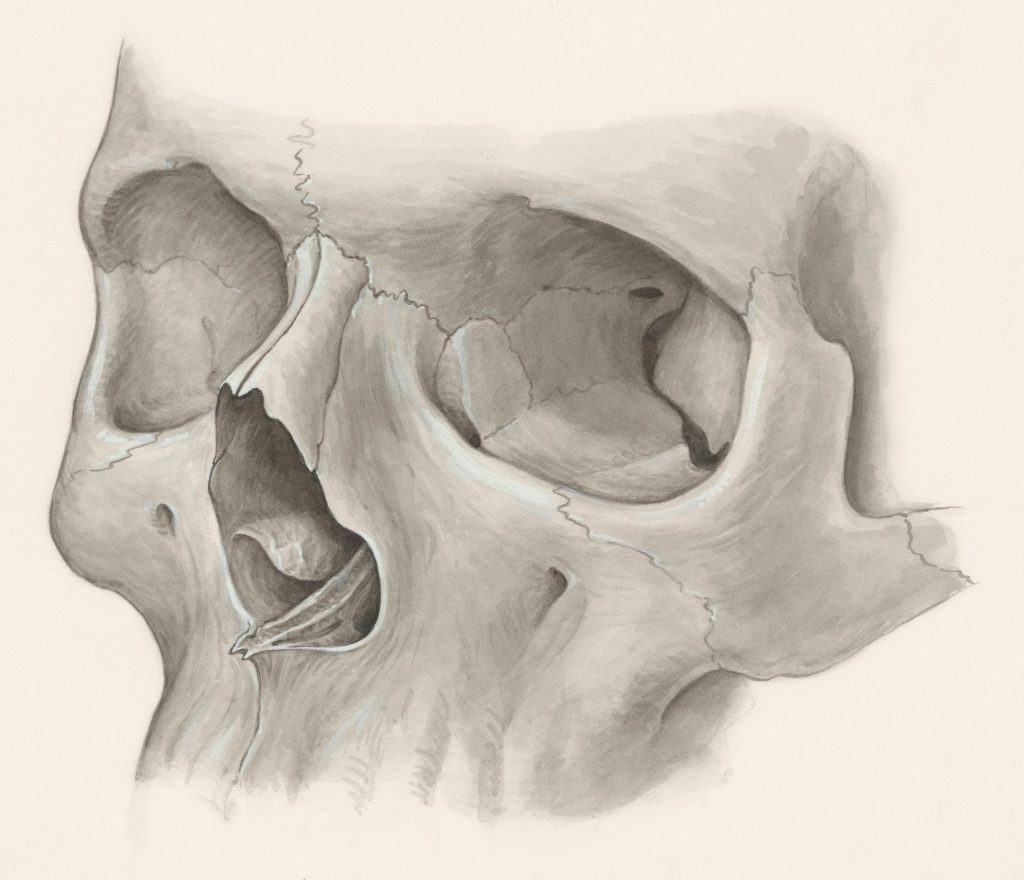
A square jawline is typically caused by prominent mandibular angles, thick bone structure, or hypertrophic masseter muscles. While some individuals naturally inherit this trait, others develop it due to long-term teeth grinding or muscle overuse. Square jaw surgery addresses the bone component, usually by contouring the lower mandible through intraoral incisions (inside the mouth) to avoid visible scars. In some cases, surgeons combine it with masseter muscle reduction for more dramatic yet natural results. According to surgeons at MIFAM Plastic Surgery Singapore, achieving harmony between bone and soft tissue is key to successful outcomes.
Who Typically Chooses Square Jaw Surgery?
In Singapore, square jaw reduction surgery is especially popular among women seeking a more elegant, heart-shaped face. Patients often describe feeling that their jawline looks too masculine, heavy, or wide in photographs. Others pursue the surgery for practical reasons such as bite imbalance or chronic clenching. Ideal candidates are healthy adults with fully developed jawbones and realistic expectations of what facial reshaping can achieve. This group commonly includes:
- Women aged 20–30 seeking a slimmer, softer facial contour.
- Individuals with a genetically wide or angular lower face.
- Patients experiencing facial asymmetry or jaw discomfort.
- Those whose careers involve public image or performance, such as models or broadcasters.
During the consultation, your surgeon will use 3D scans to evaluate bone symmetry, facial proportions, and chin projection before recommending the most suitable contouring plan. This individualised approach ensures that square jaw surgery enhances your features rather than altering them unnaturally.
The Aesthetic and Functional Benefits
While the most common reason for undergoing surgery for square jaw is cosmetic refinement, the procedure also provides functional benefits. Reducing excessive bone bulk can ease muscle tension, improve facial balance, and make chewing or speaking more comfortable. Some patients report relief from chronic jaw strain or migraines caused by uneven muscle distribution. The combination of aesthetic and physical improvement makes this surgery appealing to many young adults in Singapore’s image-conscious culture, where facial proportions often define attractiveness.
| Benefit Type | Description |
|---|---|
| Facial Slimming | Reduces the lower face width and creates a softer V-line contour. |
| Improved Symmetry | Balances uneven jawlines and enhances overall facial harmony. |
| Better Jaw Function | Relieves pressure from overactive masseter muscles and improves comfort when chewing or speaking. |
| Confidence Boost | Improves self-esteem through a naturally slimmer and balanced facial appearance. |
Modern Techniques Used in Singapore
Modern square jaw surgery techniques have evolved to prioritise precision and safety. Singapore’s plastic surgeons often use computer-guided navigation, 3D CT scans, and simulation software to plan exact bone removal areas. Procedures are performed under general anaesthesia through intraoral incisions, leaving no visible scars. Recovery typically takes two to four weeks, depending on swelling and healing response. Non-surgical alternatives, such as botulinum toxin injections to reduce masseter muscle size, may be recommended for patients seeking subtler results without bone modification. (HealthHub Singapore, 2024)
Is Square Jaw Surgery Safe?
When performed by a board-certified plastic or maxillofacial surgeon, square jaw surgery is considered safe and effective. As with any invasive procedure, there are risks such as temporary numbness, swelling, or asymmetry, but these can be minimised through proper surgical planning and post-operative care. Singapore’s medical regulations ensure that jaw contouring surgeries adhere to strict safety protocols, with most procedures carried out in accredited surgical centres. Patients are advised to follow post-surgery care instructions carefully to support smooth healing and optimal results.
Final Thoughts
To summarise, what is square jaw surgery? It is a highly customisable procedure that refines the lower face by reducing bone mass and reshaping the jawline for better facial balance. Surgery for square jaw is suitable for individuals seeking both aesthetic improvement and physical comfort. In Singapore, advanced techniques and experienced surgeons make it possible to achieve subtle, natural results with minimal downtime. If you’re considering jawline contouring, consulting a certified facial plastic surgeon is the first step toward understanding what approach best suits your facial structure and goals. (Singapore Plastic Surgery Clinic, 2025)
The 10 Most Common Questions About Square Jaw Surgery During Consultations (Asked by Women Aged 20–30)
1. What Is Square Jaw Surgery and Why Is It Done?
Square jaw surgery, medically known as mandibular angle reduction or jaw contouring, is a cosmetic and functional procedure that reshapes the lower jawline for a slimmer, more balanced appearance. Many women in their 20s and 30s seek this treatment to soften a broad or angular jaw that may make the face appear boxy or masculine. The surgery involves sculpting the jawbone through incisions made inside the mouth, ensuring no visible external scars. For some patients, what is square jaw surgery? goes beyond aesthetics—it also improves facial symmetry, corrects bite alignment, and relieves tension caused by overdeveloped masseter muscles.
In Singapore, this procedure is typically performed under general anaesthesia by a plastic or maxillofacial surgeon. Advanced 3D imaging technology is used to simulate the final result before surgery, helping you visualise how subtle changes to your jawline will harmonise with the rest of your face. Clinics such as Dream Plastic Surgery Singapore and Sweng Plastic Surgery specialise in personalised treatment plans to achieve natural, feminine contours. Recovery usually takes several weeks, but results are long-lasting and can dramatically enhance self-confidence.
2. How Do You Know If You’re Eligible for Jaw Surgery?
Determining whether you’re a good candidate for jaw reduction surgery requires a professional consultation and facial analysis. Generally, you’re eligible if your jaw structure is fully developed (usually after age 18), and you’re in good overall health. Women between the ages of 20 and 30 are among the most common candidates, as bone development has stabilised, yet skin retains enough elasticity to adapt well to contouring changes.
Your eligibility also depends on your goals and anatomy. During a consultation, the surgeon evaluates several factors, including facial symmetry, bone density, muscle activity, and skin thickness. You may be a suitable candidate if you have:
- A broad or square jawline that appears disproportionate to the rest of your face.
- Enlarged masseter muscles due to genetics or chronic teeth grinding.
- No severe jawbone deformities that require orthodontic correction instead of cosmetic contouring.
- Realistic expectations about what surgical enhancement can achieve.
Some clinics in Singapore also offer non-surgical jawline slimming using botulinum toxin injections for patients who prefer minimal downtime or are not ready for surgery. However, surgical reshaping provides permanent results and can be combined with other aesthetic treatments such as chin augmentation or buccal fat removal for a more defined lower face.
3. What Is the Age Limit for Jaw Surgery?
There is no strict upper age limit for square jaw surgery, but most surgeons recommend the procedure between the ages of 20 and 40. This range provides optimal recovery potential and skin elasticity for achieving smooth, natural results. For younger patients, surgeons ensure that jaw growth is complete before proceeding, typically after age 18. Attempting the surgery too early can lead to asymmetry later if bone growth continues after contouring.
Conversely, for patients above 40, the surgeon may recommend additional skin-tightening procedures such as facelift or skin lifting to prevent sagging after bone reduction. The quality of your bone density, healing response, and general health plays a larger role than chronological age in determining suitability. In Singapore, pre-surgical assessments often include blood tests and 3D scans to ensure your body can tolerate anaesthesia and recovery. If you’re wondering what is the age limit for jaw surgery in Singapore, most clinics focus on individual readiness rather than age alone.
Below is a table summarising the typical age recommendations for jaw reduction surgery in Singapore:
| Age Range | Suitability | Remarks |
|---|---|---|
| 18–20 years | Conditional | Only if jaw growth is complete; close evaluation required. |
| 21–35 years | Ideal | Best bone adaptability and skin elasticity for natural results. |
| 36–45 years | Moderate | May need adjunct lifting treatments for skin tightening. |
| 46 years and above | Case-specific | Comprehensive assessment required; healing may take longer. |
Age alone should not discourage you from considering jaw contouring surgery if you are healthy and have realistic expectations. Consulting a board-certified plastic surgeon experienced in jaw reduction surgery in Singapore will help determine whether you’re a good candidate and which technique best fits your goals. (Singapore Aesthetics, 2024)
4. How Long Does It Take to Recover from Jaw Surgery?
Recovery from square jaw surgery varies from person to person, but the average healing period ranges from four to six weeks. Immediately after surgery, your lower face will feel swollen and tight, which is completely normal. Most swelling subsides significantly within two weeks, though minor puffiness can persist for up to three months. Surgeons often advise patients to follow a soft diet for at least two to three weeks, as chewing solid foods can strain healing tissue. Gentle mouth rinsing and prescribed antibiotics help prevent infection during this critical recovery phase.
Singaporean clinics like Apex Plastic Surgery Singapore emphasise that the first week is primarily for rest and wound care, while the second week focuses on regaining movement and comfort. Full recovery—where bone healing, swelling reduction, and natural jaw contour visibility align—can take three to six months. However, you’ll likely feel comfortable returning to normal daily activities within two to three weeks. To speed up healing, follow your surgeon’s post-operative care plan, including sleeping with your head elevated, avoiding hot or spicy food, and abstaining from smoking or alcohol.
5. How Long Until You Look Normal After Jaw Surgery?
Most patients notice a visible improvement in facial shape within three to four weeks, but final results from jaw reduction surgery become fully apparent only after complete bone and tissue healing—typically around six months. During the first week, facial swelling and bruising may make your face look fuller, but this gradually subsides. By the second week, the jawline starts appearing smoother and slimmer. It’s essential to remember that every person heals at a slightly different rate, depending on skin type, bone density, and adherence to aftercare instructions.
Surgeons often schedule follow-up visits at one week, one month, and three months post-surgery to monitor healing progress. To support recovery, maintain good oral hygiene, stay hydrated, and use cold compresses during the first few days. Avoid strenuous facial movements, as they can aggravate swelling. For many young women in Singapore, this procedure provides subtle and natural-looking changes that become more refined over time. The transformation is often so gradual that people around you will notice you look refreshed, but not “operated on.”
Below is a simple timeline summarising when you can expect to look and feel “normal” again:
| Post-Surgery Period | Expected Progress |
|---|---|
| Week 1 | Swelling, bruising, and tightness; soft diet recommended. |
| Week 2–3 | Reduced swelling, gradual return to light activity. |
| Month 1–2 | Face regains natural contours; minor residual swelling remains. |
| Month 3–6 | Final results visible; bone and tissue fully healed. |
While patience is key, adhering to your clinic’s post-care routine ensures a faster, more comfortable recovery.
6. When Can You Start Working Out After Jaw Surgery?
Returning to physical activity too soon after square jaw surgery can delay healing or cause unnecessary swelling. Surgeons typically recommend avoiding any strenuous exercise for at least four weeks. This includes cardio workouts, lifting weights, or yoga poses that increase blood pressure to the face. Gentle walking is acceptable after the first week, as it helps improve circulation and prevent stiffness. However, exercises that involve bending, straining, or heavy impact should be postponed until your surgeon confirms that bone healing is stable.
Between weeks four and six, you may gradually reintroduce light workouts such as stationary cycling or stretching, provided you feel no discomfort. Contact sports, high-intensity interval training (HIIT), and facial strain exercises should wait for at least three months. Singapore’s hot and humid weather can also make post-surgery swelling worse if you overexert yourself too early, so always hydrate and rest adequately. If you experience pain or unusual tightness during exercise, stop immediately and consult your doctor. Listening to your body during recovery is crucial for achieving the best possible outcome from jaw reduction surgery. (SingHealth, 2025)
7. How Much Does Jaw Surgery Cost in Singapore?
The cost of square jaw surgery in Singapore depends on the complexity of your case, the clinic you choose, and the surgeon’s experience. On average, the total cost ranges between SGD 15,000 and SGD 35,000. This usually includes surgeon fees, operating theatre charges, anaesthesia, pre-surgery imaging (CT scans or 3D modelling), and post-operative follow-ups. However, some premium clinics offering advanced digital planning or dual-surgeon procedures may charge higher fees due to their precision and reduced recovery time.
Public hospitals rarely perform jaw reduction surgery for purely cosmetic reasons. If the procedure corrects functional issues such as bite misalignment or facial asymmetry that affect chewing or speech, partial insurance or Medisave coverage may apply—but only under specific criteria. Always clarify whether your condition is considered aesthetic or medical before committing to surgery. Private aesthetic centres like Sweng Plastic Surgery or Dream Plastic Surgery Singapore provide transparent cost breakdowns, helping patients plan financially for consultations, surgical fees, and optional procedures such as chin sculpting or facial fat grafting.
| Service Component | Estimated Cost (SGD) | Remarks |
|---|---|---|
| Consultation & 3D Imaging | 500 – 1,200 | Includes CT scan and digital jaw simulation |
| Surgeon & Anaesthetist Fees | 10,000 – 18,000 | Varies by experience and technique |
| Operating Theatre & Hospital Charges | 3,000 – 6,000 | Typically half-day stay in accredited facility |
| Post-Surgery Care & Follow-ups | 800 – 1,500 | Medication, check-ups, compression garment |
Some clinics offer instalment plans or financing options for eligible patients. Choosing a reputable, licensed facility ensures safety and value for your investment. Always confirm the inclusions in your treatment package to avoid hidden costs.
8. Does Square Jaw Surgery Leave Visible Scars?
One of the most reassuring facts about square jaw surgery is that it leaves no visible external scars. The procedure is performed using intraoral incisions—meaning all cuts are made inside the mouth along the lower gum line. This approach conceals any trace of surgical entry while providing full access to the jawbone. After the operation, the incisions are closed with dissolvable stitches that heal naturally within a few weeks.
Swelling and bruising may occur externally but will gradually fade within two to three weeks. You can enhance healing by maintaining meticulous oral hygiene and following your surgeon’s post-care instructions. Clinics in Singapore typically recommend saline mouth rinses, a soft diet, and limited speaking in the first week to protect the incision site. Once healed, the results appear completely natural—there is no external evidence of surgery other than your refined jawline.
9. Is the Procedure Painful?
Jaw reduction surgery is performed under general anaesthesia, so you won’t feel any pain during the procedure. After surgery, mild to moderate discomfort may appear as swelling and tenderness, but this is manageable with prescribed medication. Most patients describe the sensation as tightness or heaviness rather than pain. Numbness around the lower lip or chin is also common during the first few weeks, caused by temporary nerve irritation, and it gradually subsides.
Singapore’s advanced clinics use nerve-monitoring technology during surgery to minimise any risk of permanent nerve damage. Your surgeon will likely prescribe antibiotics, anti-inflammatories, and a liquid or soft-food diet to support recovery. By the second week, most discomfort has significantly decreased, allowing patients to return to light daily activities. Following your surgeon’s aftercare advice—such as gentle mouth cleaning and adequate hydration—ensures smoother, more comfortable healing.
10. What Are the Long-Term Results of Jaw Reduction Surgery?
The long-term outcomes of square jaw surgery are lasting and stable, provided you maintain good oral health and avoid habits that strain the jaw, such as teeth grinding. Bone contouring permanently reshapes the jaw’s structure, creating a softer, more feminine facial profile. As swelling subsides, the results become increasingly natural and balanced. For many women in Singapore, this transformation enhances facial harmony without altering identity—friends often comment that they look more refreshed rather than surgically altered.
Clinics typically schedule follow-up appointments at six months and one year to monitor bone stability and symmetry. If necessary, complementary treatments like chin refinement or cheek contouring can further enhance balance. Long-term success depends on consistent care, including maintaining a healthy weight, practising gentle facial exercises, and attending regular dental check-ups. With Singapore’s high standards of surgical expertise and technology, most patients enjoy lifelong improvements with minimal maintenance.
How Can I Prepare for My Square Jaw Surgery Consultation?
Preparation for your square jaw surgery consultation plays a crucial role in achieving the best possible outcome. This meeting sets the foundation for your treatment plan and helps you communicate clearly with your surgeon. In Singapore, where jaw reduction surgery is a common procedure among women aged 20 to 30, being informed and well-prepared allows your doctor to tailor the approach to your facial structure, goals, and comfort level. Here are five essential ways to prepare for your consultation effectively.
1. Define Your Goals and Expectations Clearly
Before meeting your surgeon, take time to think about what you want to achieve through square jaw surgery. Do you wish to reduce jaw width, correct asymmetry, or achieve a softer and more balanced facial shape? Writing down your motivations helps the surgeon understand your aesthetic direction. Bring reference images of facial proportions you admire—but remember that the best results come from enhancing your natural features, not copying someone else’s look.
Your surgeon will evaluate your goals using realistic medical standards and facial harmony principles. Discussing why you’re seeking the procedure—whether for aesthetic refinement or to relieve jaw discomfort—ensures your expectations align with achievable outcomes. Having this clarity also makes it easier to decide if additional procedures, such as chin contouring or buccal fat removal, may complement your results.
2. Gather Medical and Dental Information in Advance
Comprehensive health and dental records provide the foundation for safe and precise surgical planning. Collect any existing X-rays, orthodontic treatment notes, or bite alignment reports. If you’ve had wisdom teeth extraction or wear retainers, mention this during your consultation. These details help your surgeon determine bone thickness, nerve positions, and potential challenges that may affect jaw contouring surgery.
Singapore clinics such as Sweng Plastic Surgery and Dream Plastic Surgery often use 3D CT scans to simulate jaw adjustments. By providing accurate medical history and being transparent about allergies, medications, or conditions like teeth grinding, you allow your surgeon to plan a procedure that prioritises both beauty and safety.
3. Ask the Right Questions During the Consultation
Approach your consultation as an open conversation rather than a one-way briefing. Preparing key questions in advance ensures you leave with a full understanding of your options. Consider asking:
- What type of square jaw surgery is suitable for my facial shape?
- What results can I realistically expect, and how long does recovery take?
- Are there non-surgical alternatives that could achieve similar improvements?
- What are the potential risks, and how do you minimise them?
- When can I return to work, exercise, or normal activities after surgery?
Most Singapore surgeons provide digital simulations to show how your new jawline might look post-surgery. Use this time to clarify details about anaesthesia, incision placement, and aftercare. Bring a notepad or record key points on your phone—this helps you compare clinics later if you’re consulting multiple specialists.
4. Manage Lifestyle Factors and Follow Pre-Consultation Guidelines
Your lifestyle can affect how your surgeon assesses your facial condition. Avoid alcohol, caffeine, and smoking for at least a week before your appointment, as they can impact skin tone and circulation. Keep your skin bare—avoid heavy foundation or contour makeup so your jawline can be examined clearly. On consultation day, tie back your hair and relax your facial muscles for accurate evaluation.
Clinics may perform facial photography, 3D scanning, or bite assessments. Staying well-rested and hydrated allows these imaging results to reflect your natural state. Bring a trusted friend or family member if you need support—they can help recall important details during your discussion. These small steps ensure your square jaw surgery consultation is both comfortable and comprehensive.
| Step | Purpose | Approximate Duration |
|---|---|---|
| Initial Interview | Discuss medical history and aesthetic goals | 10–15 minutes |
| 3D Imaging & Jaw Analysis | Evaluate bone shape, symmetry, and muscle size | 15–20 minutes |
| Treatment Discussion | Review options and preview simulated results | 15 minutes |
| Plan & Scheduling | Explain timeline, pricing, and preparation steps | 10 minutes |
5. Prepare Mentally and Emotionally for the Journey
Undergoing jaw reduction surgery is both a physical and emotional transformation. It’s normal to feel nervous or uncertain before committing to the procedure. Spend time reflecting on your motivations—make sure you’re doing it for yourself, not external pressure. Understanding the recovery timeline and maintaining patience with post-surgery swelling are key to managing expectations. Most patients begin to see significant changes within a month, but final results may take several months to appear.
Above all, choose a surgeon you trust. A good consultation should feel like a partnership—where you feel heard, respected, and confident in their expertise. With preparation, communication, and an open mindset, your consultation becomes the first empowering step toward achieving a refined, balanced, and confident new look through square jaw surgery.
How Much Does Square Jaw Surgery Cost in Singapore?
When you’re exploring square jaw surgery in Singapore, understanding the cost is a critical step in your decision-making process. The total investment varies depending on whether the primary target is bone reduction, muscle contouring, or both. For many women aged 20–30 seeking a profile-refining result, your surgeon will provide a personalised quote based on your anatomy, facial symmetry and desired outcome.
Average Cost Range
In Singapore, the typical cost range for jaw contouring procedures is as follows: a surgical reduction involving the bone, sometimes combined with masseter muscle reduction, often starts at approximately SGD 10,000 to SGD 18,000 for less complex cases. For more extensive work—such as combined bone and double-sided reduction or major asymmetry correction—you may see quoted fees between SGD 30,000 and SGD 40,000. (pricesgd.com)
| Procedure Type | Estimated Cost (SGD) | Notes |
|---|---|---|
| Surgical jaw reduction (single-sided) | 10,000 – 18,000 | Bones only, minimal muscle work |
| Surgical jaw reduction (double-sided / complex) | 30,000 – 40,000 | Full contouring with bone & muscle involvement |
| Consultation & imaging | 100 – 1,200 | 3D scans, digital simulation, initial work-up |
Factors Influencing Your Surgical Cost
Several variables will affect the price you’re quoted. These include:
- Extent of bone work: More aggressive contouring or asymmetry correction raises the cost.
- Surgeon’s experience & facility: Premium clinics and highly specialised surgeons may charge higher fees due to their track record and technology used.
- Hospital stay & anesthesia: Use of an accredited hospital operating theatre and general anaesthesia naturally add to the final bill.
- Additional procedures: If you opt to combine the surgery with chin reshaping or cheek contouring, total costs will increase.
- Recovery & follow-up: Post-surgery appointments, medication and post-op care are part of your overall expense and should be clarified in advance.
Financial Support and Insurance Considerations
If your jaw reduction surgery has functional benefits—such as correcting bite alignment or relieving jaw joint pain—it may qualify for Medisave usage or partial insurance coverage in Singapore. (Urban Living, 2025) It’s crucial to ask your clinic about whether your specific case meets these criteria, and to obtain a written breakdown of what’s included in the quoted fee (e.g., imaging, surgeon’s fee, hospital stay). Transparent cost instructions reduce hidden surprises and help you plan wisely.
Budgeting Tips Before You Commit
To make sure your investment aligns with your expectations:
- Request a detailed quote that lists every component of the fee.
- Check if the quote covers follow-up review visits and any garments or medication needed.
- Inquire about payment plans—some clinics offer instalment plans or financing options.
- Compare multiple clinics based on value—not just lowest cost. Look at reputation, outcomes and safety history.
By approaching your quote with clarity and context, you’re better positioned to make an informed decision about your surgical journey. While cost is important, your primary focus should remain on choosing a skilled surgeon and achieving safe, natural results.
Conclusion
Choosing to undergo square jaw surgery in Singapore is a deeply personal and transformative decision. For many women aged 20 to 30, this procedure represents not just aesthetic refinement, but renewed confidence in one’s own facial harmony. Understanding every stage, from the consultation process and eligibility criteria to the recovery period and costs, ensures that you make an informed, empowered choice. Each individual’s journey is unique, and the best outcomes are achieved when realistic expectations meet skilled surgical planning and transparent communication with your surgeon.
Singapore’s advanced medical facilities, strict surgical standards, and experienced aesthetic surgeons make it one of Asia’s most trusted destinations for jaw contouring surgery. Whether you’re looking to achieve a softer, more balanced profile or correct jaw asymmetry, preparation and patience are key. Take time to choose a certified clinic, discuss your goals openly, and commit to proper post-operative care. When approached with understanding and confidence, square jaw surgery can help you redefine your look while maintaining natural proportions, a subtle yet powerful change that enhances your self-assurance for years to come.
Frequently Asked Questions (FAQs):
1. What is square jaw surgery, and how does it work?
Square jaw surgery, also known as mandibular contouring or jaw reduction, involves reshaping the lower jawbone to create a slimmer, more oval facial appearance. Surgeons remove or sculpt excess bone along the jawline, sometimes complemented by muscle reduction for softer contours. The procedure is typically performed under general anaesthesia and takes about two to three hours.
2. How long does it take to recover from square jaw surgery?
Most patients can return to light activities after two weeks, but full recovery may take up to three months. Swelling usually subsides within six to eight weeks, revealing the refined jawline gradually. Surgeons recommend avoiding strenuous exercise for at least a month and following a soft diet during early recovery.
3. Is square jaw surgery painful?
The procedure itself is not painful, as it’s done under anaesthesia. However, mild discomfort, swelling, and stiffness are normal afterward. Your surgeon will prescribe pain medication and recommend cold compresses to reduce swelling. Most patients describe recovery as manageable and progressive.
4. How much does square jaw surgery cost in Singapore?
The average square jaw surgery cost in Singapore ranges from SGD 10,000 to 40,000, depending on complexity, surgeon expertise, and hospital facility fees. Basic single-side bone reduction is at the lower end of the range, while full jaw contouring with muscle work costs more. Always request a detailed breakdown from your clinic before committing.
5. How do I know if I’m a good candidate for square jaw surgery?
You may be a good candidate if you have a naturally wide jawline, facial asymmetry, or strong masseter muscles that make your lower face appear square or bulky. Ideal candidates are in good health, have realistic expectations, and are prepared to follow post-surgery recovery protocols. Your consultation and 3D imaging will determine eligibility and the most suitable technique for your facial structure.
References:
- Specialist Dental Group. “Jaw Surgery Cost in Singapore – Single Jaw: SGD 15,000–20,000; Double Jaw: SGD 30,000–40,000.” (2024)
- PriceSGD. “Jaw Surgery Cost Singapore 2025 – Single Jaw Surgeries: SGD 15,000–20,000; Double Jaw Surgeries: SGD 30,000–40,000.” (2025)
- Orthodontics.com.sg. “Is Jaw Surgery Right for You? Understanding the Costs and Benefits.” (Feb 2025)
- Urban Living. “Guide to Square Jaw Reduction in Singapore.” (14 Apr 2025)
- AestheticJawSurgery.com. “What Is the Cost of Corrective Jaw Surgery?” (2015)
Related Post:
The Science of Enamel Remineralization: 2026 Guide to Modern Preventive Dentistry
Digital impressions in Singapore: A Behind-the-Scenes Look (2026)
Dental Veneers vs Dental Crowns in Singapore: What’s Right for Your Smile? (2026 Guide)